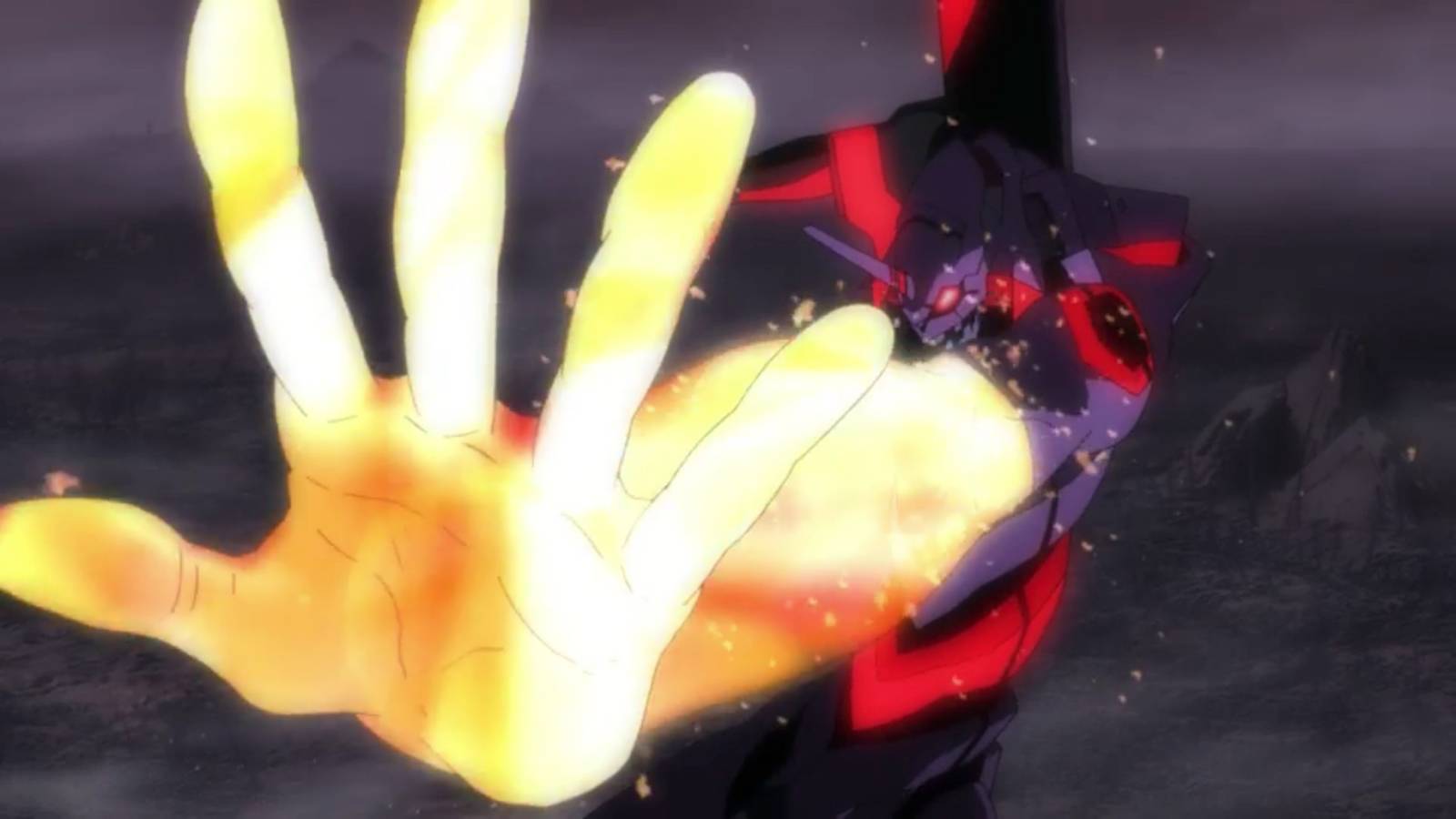
Anno's Absence: Yoko Taro & NieR Team Drive New Evangelion
The world of anime rarely witnesses a crossover event quite as seismic as the one recently announced. During the monumental 30th-anniversary celebrations for *Neon Genesis Evangelion*, fans were treated to news that sent shockwaves across both the gaming and animation industries: Yoko Taro, the enigmatic and brilliant mind behind the critically acclaimed *NieR* and *Drakengard* series, will be spearheading a brand-new *Evangelion* television series as its lead writer. This unprecedented collaboration signals not just a fresh chapter for the beloved mecha saga but a profound artistic convergence, promising an interpretation unlike anything fans have seen before.
This isn't merely a minor spin-off; it's a full-fledged new TV installment, co-produced with the renowned CloverWorks (known for hits like *Spy x Family*). The project also reunites Taro with key creatives from his gaming ventures, most notably the hauntingly beautiful music composer Keiichi Okabe. With veteran *Evangelion* director Kazuya Tsurumaki (also known for *FLCL*) and series collaborator Toko Yatabe at the helm, the stage is set for a truly unique vision. The absence of original creator Hideaki Anno from the lead creative credits further emphasizes that this iteration is poised to explore uncharted narrative and thematic territory, marking a significant departure and a bold new direction for the franchise. For more initial details, read about the
Nier Creator Yoko Taro Writing New Evangelion Anime Series.
The Architects of Anguish: Yoko Taro and the NieR Team's Invasion of Neo-Tokyo
Yoko Taro is not just a writer; he is a conceptual artist whose narratives frequently deconstruct heroism, morality, and the very nature of storytelling itself. His games, particularly *NieR: Automata*, are celebrated for their bleak philosophical underpinnings, experimental structures, multiple playthroughs revealing different perspectives, and a pervasive sense of existential dread coupled with surprising moments of beauty and hope. These are precisely the elements that align eerily well with the core ethos of *Evangelion*.
Imagine Taro's signature style applied to the psyche of Shinji Ikari, the complex motivations of Gendo, or the existential burden of piloting an EVA unit. His ability to craft characters riddled with internal conflict, to explore themes of identity, trauma, and the blurred lines between good and evil, could unlock new layers of *Evangelion*'s already rich narrative tapestry. This isn't just a writer stepping in; it's a philosopher of fiction bringing his unique lens to a universe steeped in psychological complexity.
Complementing Taro's narrative prowess is Keiichi Okabe, whose musical compositions for *NieR* are as iconic as the games themselves. Okabe's scores are known for their melancholic beauty, epic scale, and experimental vocalizations that evoke a profound sense of loss, wonder, and determination. *Evangelion*'s original soundtrack is legendary for its ability to underscore psychological tension and emotional catharsis. Okabe's involvement suggests a soundscape that will not only honor the franchise's musical legacy but also imbue it with the NieR team's distinctive, emotionally resonant touch. This combination of narrative and auditory mastery promises an experience that is both intellectually stimulating and deeply moving.
The collaboration with CloverWorks also signifies a commitment to high production values and perhaps a broader appeal. Known for their dynamic animation and successful adaptations, CloverWorks can provide the visual polish and fluidity expected of a modern *Evangelion* series, bridging the distinct artistic styles of both creative teams. This project is yet another example of the increasingly thinning line between Japan's game and anime industries, with creators like Hideo Kojima also exploring animated extensions of their gaming franchises. It demonstrates a growing recognition that innovative storytelling transcends medium boundaries.
A New Dawn or a Troubled Echo? Unpacking the Post-Thrice Upon a Time Landscape
One of the most pressing questions surrounding this new series concerns its place in the *Evangelion* timeline, especially given the "firm conclusion" offered by *Evangelion: 3.0+1.0 Thrice Upon a Time*. That film famously ended with Shinji Ikari choosing to step away from the world of Evangelion, seemingly urging both the characters and the audience to "move on" from the cyclical trauma and embrace a future free from EVA units. To introduce a new series after such a definitive, meta-narrative conclusion presents a fascinating challenge.
This brings us to the monumental question:
Yoko Taro's Evangelion: Will Shinji Ikari Return to the Fold? While many fans might hope for his return, Taro's involvement, coupled with Anno's absence, strongly suggests a different approach. Taro is a master of subverting expectations and exploring alternative perspectives. He could:
- Introduce a new protagonist: Exploring the *Evangelion* world through the eyes of someone else, perhaps a new pilot, a civilian, or even an antagonist, would open up fresh narrative avenues without undoing Shinji's peace.
- Set it in an alternate timeline or universe: Given Taro's comfort with multiverse concepts (see *Drakengard*), a completely fresh timeline could explore "what if" scenarios, allowing for thematic parallels without direct continuity.
- Focus on the aftermath: What happens to a world irrevocably shaped by the Angels and EVAs, even after the "conclusion"? Taro could delve into the societal and psychological impact on those left behind.
- Offer a meta-commentary: Taro has a penchant for self-aware narratives. This series could even be a commentary on fandom, the act of "moving on," or the cyclical nature of storytelling itself.
The absence of Hideaki Anno from the lead creative credits is arguably the most significant indicator of a fresh direction. Anno has famously grappled with the burden of *Evangelion*'s legacy, and his step back here could be a deliberate decision to allow new voices to interpret his creation. This offers the freedom for Taro and his team to truly make this *their* *Evangelion*, unburdened by the specific pressures Anno faced in bringing his personal saga to a close.
What to Expect from This Unprecedented Collaboration
Given the pedigree of the creative team, fans can prepare for an *Evangelion* experience that is intellectually rigorous, emotionally resonant, and potentially deeply unsettling. Here are some expectations and insights into what this collaboration might bring:
- Philosophical Depth: Taro’s work consistently grapples with profound questions of existence, purpose, and the human condition. Expect him to dissect the core themes of *Evangelion* – loneliness, abandonment, identity, determinism vs. free will – with a fresh, perhaps even more cynical or deconstructive, approach.
- Experimental Storytelling: Don't anticipate a straightforward narrative. Taro is known for non-linear plots, unreliable narrators, and revealing hidden truths through multiple perspectives or narrative devices. *Evangelion* itself pushed boundaries; Taro is likely to push them further.
- Haunting Music: Keiichi Okabe's involvement guarantees a soundtrack that will be an integral part of the storytelling, evoking deep emotional responses and adding layers of atmosphere and introspection.
- New Character Dynamics: Whether new characters or fresh takes on established ones, expect complex, morally ambiguous individuals driven by internal and external conflicts that challenge conventional heroism.
- Emotional Impact: Both *Evangelion* and *NieR* are renowned for their ability to evoke powerful emotions, from despair and sadness to fleeting hope. This new series will likely be an intense emotional journey.
For fans, the best advice is to approach this new *Evangelion* with an open mind. While it will undoubtedly honor the spirit of the original, it is poised to be a distinct artistic entity. Embrace the potential for new interpretations, challenge your own preconceptions, and prepare for a series that aims to resonate on a deep, philosophical level, much like the works that inspired it and the creator now at its helm.
Conclusion
The announcement of Yoko Taro writing a new *Evangelion* series, with Keiichi Okabe composing and a veteran team directing, is more than just news; it's a cultural event. It signifies a passing of the torch, a bold declaration that the complex, philosophical world of *Evangelion* is fertile ground for new interpretations under the guidance of visionary creators. As Hideaki Anno steps back, a new era begins, promising a distinct and potentially even more profound exploration of the human condition amidst giant robots and existential threats. While plot details remain shrouded in mystery, the creative lineup alone guarantees one of the most intriguing anime projects in recent memory. Fans across the globe eagerly await further revelations, anticipating an *Evangelion* that is both familiar in its thematic weight and revolutionary in its narrative execution.