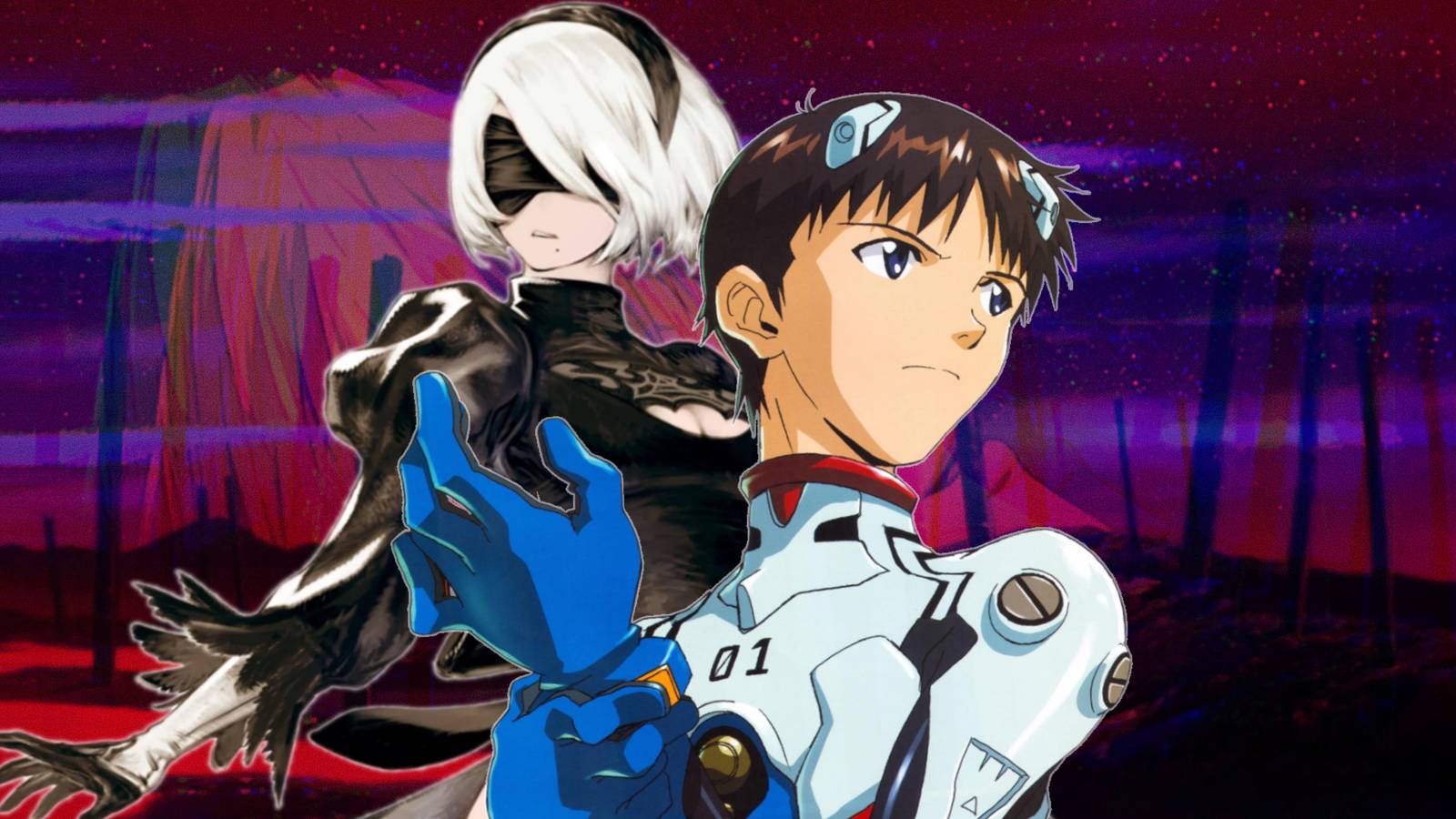
Yoko Taro's Evangelion: A Bold New Chapter for a Legendary Franchise
The anime world is buzzing with an announcement that sent ripples of excitement and speculation across fandoms: Yoko Taro, the visionary creator behind the critically acclaimed NieR and Drakengard series, is set to pen a new Evangelion series. This revelation, made during the 30th-anniversary celebration of Neon Genesis Evangelion, has ignited intense discussions. Will this new Nier Creator Yoko Taro Writing New Evangelion Anime Series mark a radical departure, a respectful continuation, or something entirely unique?
For decades, Evangelion has stood as a monumental pillar in anime, celebrated for its profound psychological depth, deconstruction of the mecha genre, and complex characters. Its recent cinematic conclusion, Evangelion: 3.0+1.0 Thrice Upon a Time, provided a definitive, albeit bittersweet, end to protagonist Shinji Ikari's journey, urging both him and the audience to "move on." The prospect of a new series, especially one helmed by a creator known for his own brand of existential bleakness and experimental narratives, raises the paramount question: Will Shinji Ikari return to the fold?
The Unlikely Marriage: Yoko Taro's Vision Meets Evangelion's Legacy
Yoko Taro is not just a game developer; he is a philosophical storyteller, famous for weaving intricate, often depressing, narratives that challenge player perceptions. His work on NieR: Automata, in particular, transcended typical gaming tropes, earning global acclaim for its existential themes, multiple endings, and genre-bending mechanics. The signature elements of his style include:
- Bleak, Philosophical Narratives: Taro's worlds are often dystopian, exploring themes of humanity, existence, free will, and the cyclical nature of conflict.
- Experimental Storytelling: He frequently employs unreliable narrators, meta-commentary, and unconventional narrative structures that demand active engagement from the audience.
- Emotional Devastation: His stories are known for their ability to evoke powerful, often melancholic or tragic, emotions through character arcs and plot twists.
These characteristics bear a striking resemblance to the very DNA of Evangelion. Hideaki Anno's original series famously delved into the minds of its traumatized child pilots, exploring depression, anxiety, and the search for meaning in a world constantly teetering on the brink of apocalypse. The thematic synergy between Taro's sensibilities and Evangelion's foundational concepts is undeniable. Both creators are masters of using their respective mediums to dissect the human condition, making this collaboration a fascinating prospect rather than an incongruous one.
The announcement that a new yoko taro evangelion project is underway during the franchise's 30th anniversary is a testament to its enduring cultural impact. It suggests a bold step towards fresh interpretations, leveraging creators who can engage with its complex legacy in meaningful ways.
A New Creative Guard: Beyond Anno's Shadow
Perhaps the most significant detail surrounding this new Evangelion series is the creative team assembled around Yoko Taro. While Studio Khara, the home of Evangelion, is co-producing with CloverWorks (known for hits like Spy x Family), the key creative credits reveal a significant shift. Original Evangelion creator Hideaki Anno is notably not listed among the lead creative team, signalling a departure from his direct involvement.
Instead, the series will be directed by Kazuya Tsurumaki, a seasoned Evangelion collaborator and director of the cult classic FLCL, alongside Toko Yatabe, who also boasts extensive experience within the franchise. Crucially, the musical score will be composed by Keiichi Okabe, another pivotal creative voice from the NieR team, promising a familiar aural landscape for fans of Taro's gaming masterpieces. This synergy between Taro and Okabe suggests a cohesive artistic vision, much like their work on NieR.
The absence of Anno from the lead creative credits is a monumental indicator. It suggests that this new series might represent a true re-imagining or a standalone narrative within the vast Evangelion multiverse, rather than a direct continuation of Anno's concluded saga. For more insights on this shift, consider reading about Anno's Absence: Yoko Taro & NieR Team Drive New Evangelion.
This dynamic creative team promises a fresh perspective. CloverWorks' involvement brings a modern anime production powerhouse into the fold, potentially ensuring high-quality animation and broad appeal, while Khara maintains the authentic connection to the franchise's roots. The collaboration also highlights the thinning line between game and anime production in Japan, with prominent game creators increasingly crossing over into animation, bringing unique narrative sensibilities with them.
The Shinji Question: Moving On or Returning to the EVA?
The title of this article directly tackles the most pressing question on every fan's mind: Will Shinji Ikari return to the fold? Evangelion: 3.0+1.0 Thrice Upon a Time provided a deeply personal and surprisingly optimistic conclusion for Shinji. He finally stepped away from the world of Evangelion, choosing a future free from giant robots, existential crises, and the burden of saving humanity. It was a powerful, meta-narrative message, urging the audience, much like Shinji himself, to move on from the world of EVA and embrace their own realities.
To bring Shinji back now could potentially undermine that hard-won peace and the emotional weight of his departure. However, Yoko Taro is not one to shy away from challenging audience expectations or subverting established narratives. Here are some ways Shinji's return could be handled, or why it might not happen:
- A New Shinji? Taro could introduce a Shinji from an alternate timeline, a clone, or a character bearing the symbolic weight of Shinji without being the exact same individual.
- Exploration of His Past Trauma: If he were to return, Taro's philosophical bent could delve deeper into the long-term psychological impact of Shinji's experiences, perhaps in a new context.
- Thematic Resonance, Not Direct Return: The series might feature new protagonists who grapple with similar themes of existential dread, familial conflict, and the burden of destiny, making them "spiritual successors" to Shinji's arc.
- A Definitive "No": Taro, respecting Anno's conclusion, might deliberately choose to focus on entirely new characters or events within the broader Evangelion universe, leaving Shinji's peace undisturbed. This aligns with his love for experimental narratives where characters move past their original stories.
Given Taro's penchant for cyclical narratives and questioning reality, it's also possible he could explore a scenario where Shinji's "moving on" was itself an illusion, or a temporary reprieve. However, most fans would likely hope that if Shinji does reappear, it serves a profound narrative purpose that respects his hard-earned closure, rather than simply resurrecting him for fan service.
What to Expect from a Yoko Taro Evangelion (and Why It Matters)
While specific plot details remain under wraps, we can make informed speculations about the thematic landscape of a yoko taro evangelion series:
- Existentialism Amplified: Expect an even deeper dive into what it means to be human, the purpose of existence, and the futility of certain struggles, all hallmarks of both Taro's and Anno's work.
- Subversion and Deconstruction: Taro loves to dismantle genres and tropes. He might deconstruct Evangelion itself, offering meta-commentary on its legacy or fan expectations.
- Moral Ambiguity and Unreliable Narratives: Don't expect clear heroes and villains. Characters will likely operate in shades of grey, and what the audience perceives as reality could be consistently challenged.
- Emotional Gut-Punches: Taro is a master of eliciting strong emotions. Prepare for poignant moments, philosophical dilemmas, and possibly heartbreaking twists that stay with you long after the credits roll.
- Unique Structure: His games often feature multiple playthroughs with different perspectives, or wildly divergent endings. While a TV series has different constraints, he might experiment with episode structures, timelines, or character perspectives.
This project is more than just "more Evangelion." It represents a fascinating cross-pollination of creative genius. Yoko Taro's involvement ensures that this new series won't simply be a retread of familiar ground. It has the potential to redefine what Evangelion can be, exploring its core themes through a distinctly philosophical and emotionally resonant lens, while attracting a new generation of fans and satisfying veteran viewers eager for fresh interpretations.
Conclusion
The announcement of a new yoko taro evangelion series is undoubtedly one of the most intriguing anime projects in development. With Yoko Taro at the helm, supported by a creative team that blends Evangelion veterans with NieR's musical maestro, the stage is set for a truly unique experience. While the question of Shinji Ikari's return looms large, the greater excitement lies in witnessing how a creator renowned for his bleak philosophy and experimental narratives will interpret and expand upon one of anime's most iconic and psychologically rich franchises. Whether it pushes the series into unforeseen philosophical depths or recontextualizes its established lore, one thing is certain: this new Evangelion chapter is poised to be an unforgettable journey.